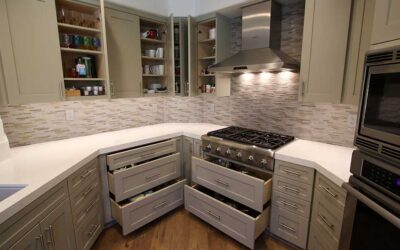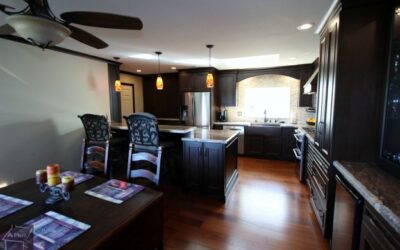
Planning a kitchen in orange county
Planning a kitchen in orange county, takes time and effort but it pays off in the long run. A new kitchen is often the second most expensive purchase after the house itself, so take time to plan it well. Do your homework so that you can formulate your ideas into a successful, practical design that will match your individual needs and lifestyle.
Kitchens are busy places with a great deal of activity gravitating in and around them. For many, the kitchen serves several purposes, and it is frequently the most used room in the home. A new kitchen should reflect your specific needs and daily habits. Therefore, before you begin, consider the different demands of everyone who will use the space. Proper planning is essential when designing a kitchen in Orange County.
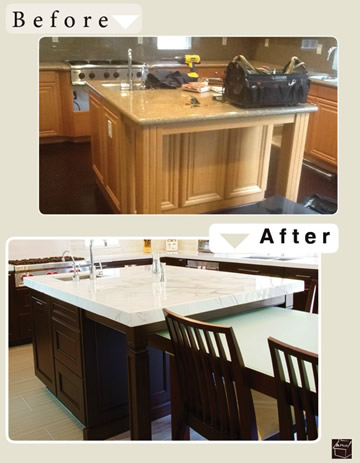
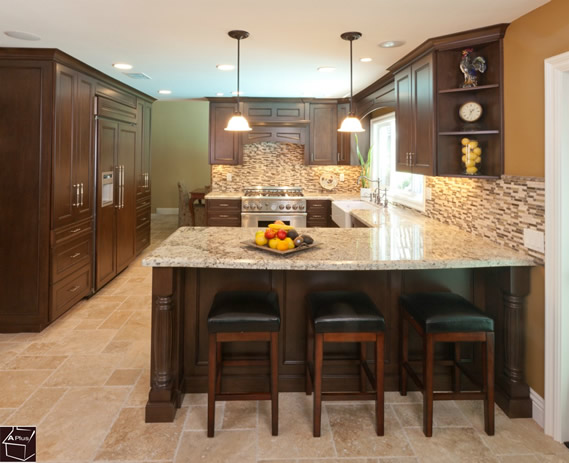
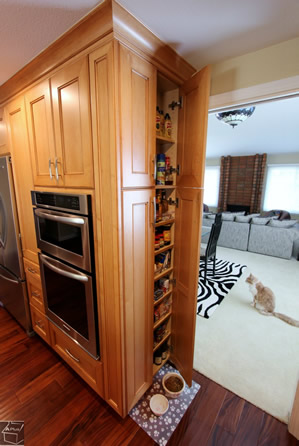
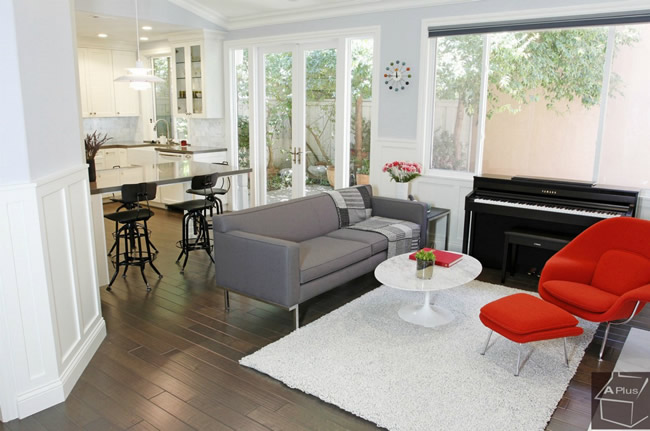
The choices of singles or career couples are likely to differ from those of a family with children and pets. If a member of the family has a physical limitation, their needs have to be taken into account too. Casual entertaining at the kitchen table, where the sounds and smells provide a friendly, relaxed atmosphere for guests, may be a priority. Hobbies and homework also frequently take place in kitchens, enabling parents to cook at the same time as supervising children in a safe environment. If space permits, a couch or armchair may provide a “soft area” for play or watching television. If pets share your home, you will need an area where they can eat that is out of the way and will not obstruct access to equipment or storage.
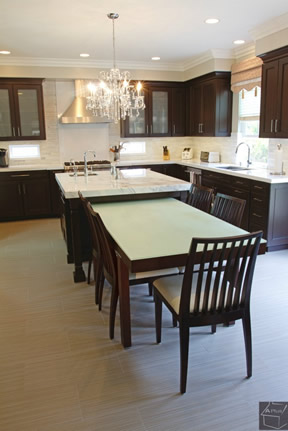
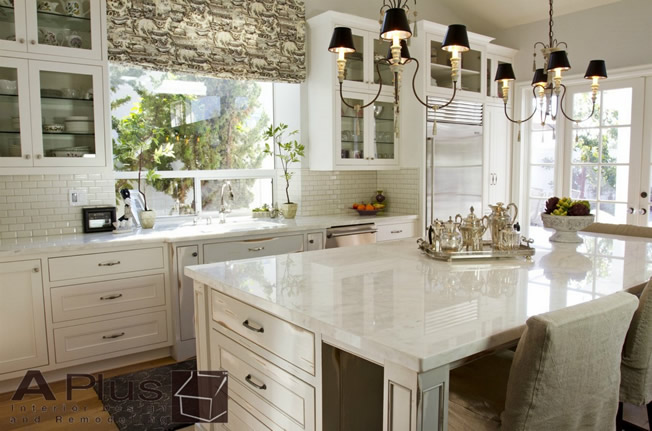
How suitable is your kitchen?
The quickest and simplest option is to remodel an existing kitchen. However, the layout often feels restrictive. Also, poorly placed windows, doors, or steps can limit the design ideas you want to achieve. Look carefully at the room to assess how it functions with other rooms in the home.
Do you have to pass through other rooms or walk up and down steps with heavy groceries to reach the present kitchen? Is the kitchen separated from the eating area, necessitating walks between the two and inefficient use of the space between? Is there sufficient floor area within the room for all the standard appliances and cabinets you wish to incorporate? Before embarking on remodeling an existing kitchen, consider various other options: an adjacent room may provide the ideal solution; as an alternative, knocking through an adjoining wall to make one large kitchen room may present a host of new and exciting options.
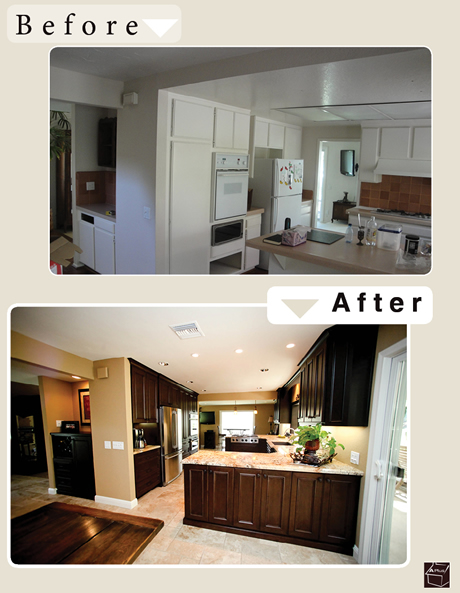
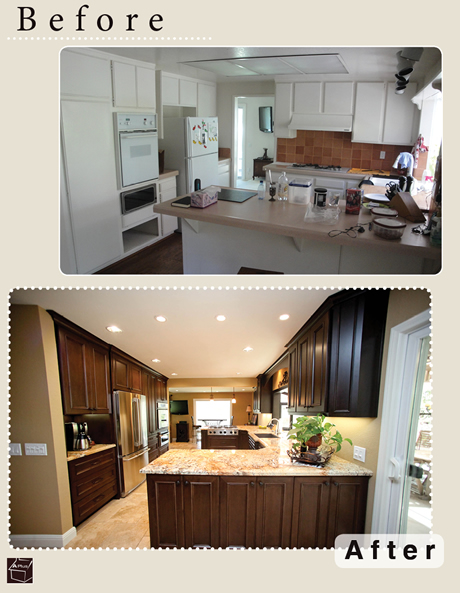
What could you change?
Start by noting any problems you encounter regularly in the existing kitchen that could be improved or replaced. In addition to cabinets, countertops, flooring, and the overall color scheme, review the finer details. For example, check whether the window provides enough natural daylight. Also, make sure the artificial lighting adjusts easily to different tasks and moods. Is the sink large enough, and is it comfortable to stand at for long periods? Are there sufficient electrical and plumbing outlets? Could repositioning items such as the heater or window free up enough wall space to create an alternative kitchen layout?
Maximizing efficiency
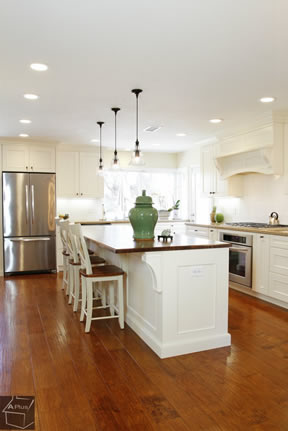
Space is a key element when planning any kitchen, and maximizing the efficiency of the room – whatever its size – will make it a pleasure to use. First, focus on the main tasks of food preparation and cooking. Additionally, consider other activities that occur in the kitchen. Then, review how each activity zone works with the others. Finally, organize the space so all activities connect smoothly and efficiently. To create a smooth workflow, consider the time spent moving between each activity area. Then, plan the layout to prevent cramped spaces. As a result, you can also avoid long walks between widely spaced zones. All kitchen fittings and equipment need to be functional and easily maintained.
When planning a kitchen, you will need to research all of the options available – cabinets, fittings, surfaces, and appliances – to help you choose the designs that will suit you best.